What Is Phantom Energy? Stop Wasting Power
Phantom energy could be adding RM 30-80 to your monthly TNB bill in Puchong. Learn what causes it and how to eliminate standby power waste.
Electrician ProX Puchong Team
Energy Efficiency Specialist
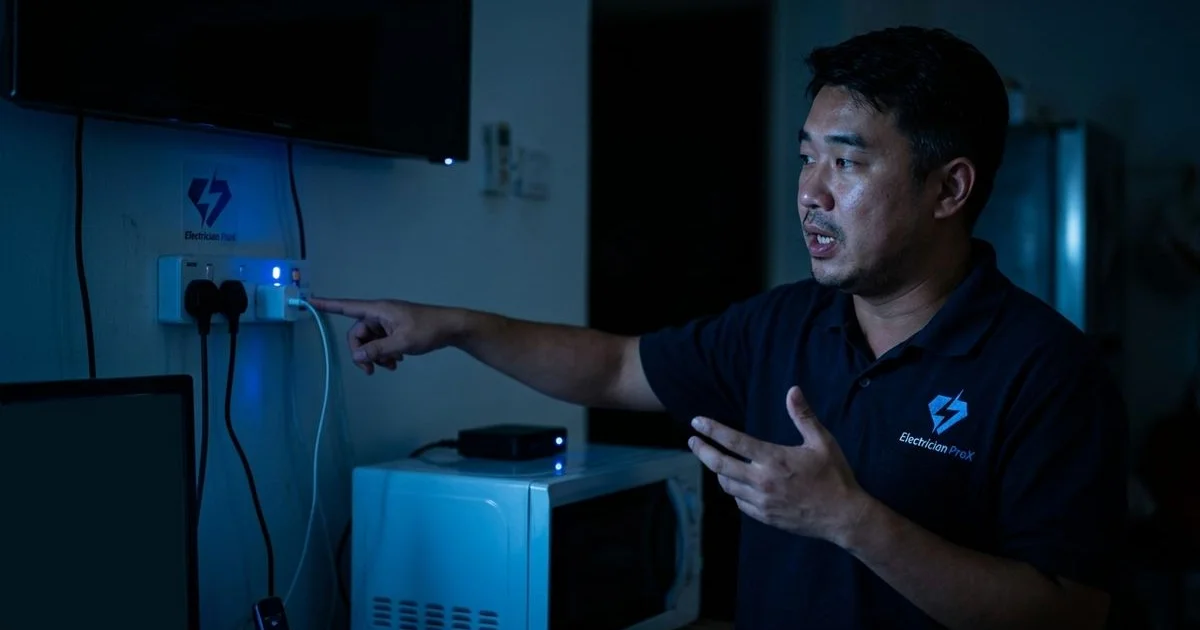
Every month, Malaysian households pay for electricity they never actually use. This invisible drain on your power bill is called phantom energy — also known as standby power, vampire power, or ghost load. For Puchong residents already managing high TNB bills driven by air conditioning and tropical heat, phantom energy adds an unnecessary RM 30-80 per month to your electricity costs.
Why This Matters
Phantom energy is the electricity consumed by appliances and devices when they are switched off but remain plugged in. Your television, microwave, washing machine, phone charger, and WiFi router all draw power continuously — even when not in active use. Across a typical Puchong household with 20-30 plugged-in devices, this standby consumption adds up significantly.
TNB Tariff Changes and Rising Costs
Understanding phantom energy has become more important as Tenaga Nasional Berhad (TNB) adjusts its residential tariff structures. Under the current Imbalance Cost Pass-Through (ICPT) mechanism, surcharges can increase the effective cost per kWh beyond the base tariff rate. Every unnecessary watt of standby power is amplified by these surcharges.
For a typical Puchong terrace house in Bandar Puteri or Puchong Utama consuming 600-800 kWh per month, phantom energy may account for 5-10% of total consumption. At current TNB rates, eliminating phantom loads could save RM 30-80 monthly — enough to cover a family dinner or a tank of petrol.
Common phantom energy culprits and their standby consumption:
| Device | Standby Power | Annual Cost (est.) |
|---|---|---|
| Set-top box (Astro/Unifi TV) | 15-30W | RM 50-100 |
| Desktop computer + monitor | 5-20W | RM 20-70 |
| Microwave oven | 3-5W | RM 10-18 |
| Game console | 5-15W | RM 20-50 |
| Washing machine | 1-5W | RM 4-18 |
| Phone/tablet charger (empty) | 0.5-1W | RM 2-4 |
| Smart TV | 5-15W | RM 20-50 |
| WiFi router | 6-12W (always on) | RM 22-44 |
Energy Saving Tips
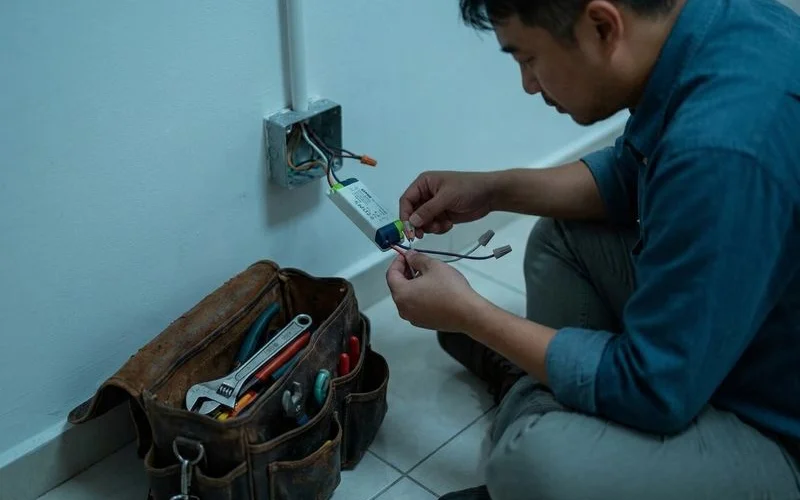
Eliminating phantom energy does not require major electrical work or expensive equipment. A combination of smart usage habits and targeted equipment upgrades can dramatically reduce standby waste.
Smart Usage Habits
Switch off at the wall — The simplest and most effective solution. Malaysian power outlets have individual switches — use them. When you finish watching television, switch off the outlet, not just the remote. This single habit can eliminate the largest phantom loads in your home.
Unplug chargers when not in use — Phone chargers, laptop chargers, and tablet chargers all draw small amounts of power even when no device is connected. Get into the habit of unplugging them after charging is complete.
Use the power-off function, not standby — Many appliances, particularly entertainment systems and set-top boxes, default to standby mode when you press the power button on the remote. Use the actual power-off function or switch off at the outlet.
Consolidate entertainment systems — Rather than leaving a TV, soundbar, game console, and set-top box all on standby individually, plug them into a single power strip that can be switched off with one action.
Audit your plugged-in devices room by room — Walk through your Puchong home and count every device plugged into an outlet. You may be surprised how many devices remain connected that are rarely or never used — old phone chargers, unused desk lamps, or dormant appliances.
Equipment Upgrades
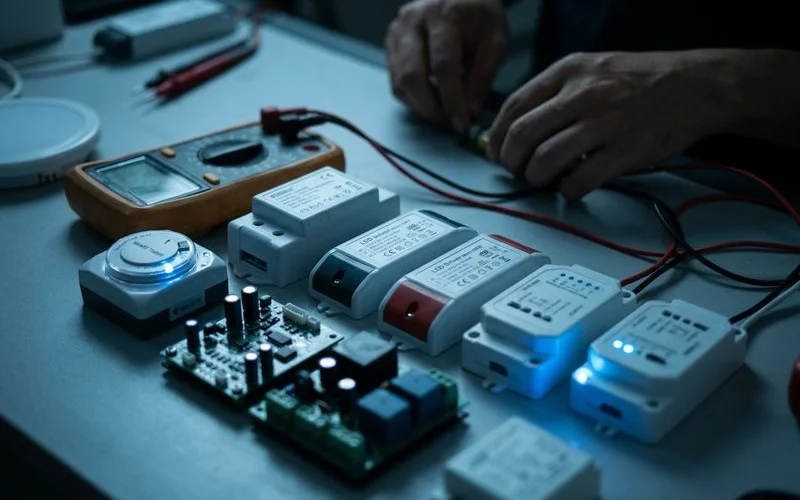
Smart power strips — These advanced power strips detect when devices enter standby mode and automatically cut power to those outlets. A primary outlet (for your TV, for instance) controls secondary outlets (soundbar, game console), so switching off the TV kills power to all connected peripherals.
Timer switches — For devices that need to run at specific times (like a water heater or outdoor lighting), a timer switch ensures they only draw power when needed. This is particularly useful for electric water heaters, which are one of the largest energy consumers in Puchong homes.
Energy monitoring plugs — Smart plugs with energy monitoring capabilities let you measure exactly how much each device consumes in standby mode. This data helps you prioritise which phantom loads to address first.
Inverter-rated appliances — When replacing appliances, choose inverter models with low standby consumption. Modern inverter air conditioners, refrigerators, and washing machines are designed to minimise both active and standby power draw.
Phantom Energy in Puchong’s Climate Context
Puchong’s tropical climate creates some unique phantom energy considerations. Air conditioning units, even when switched off via remote, often maintain a standby mode to preserve settings and enable quick restart. In homes with multiple split AC units — common in Puchong’s double-storey terrace houses and semi-detached properties — this standby consumption across three to five units adds up.
Water heaters are another significant phantom load. Many Puchong households keep storage water heaters plugged in continuously, maintaining water temperature 24 hours a day despite only needing hot water for brief periods. Installing a timer or simply switching the heater on 15 minutes before use can save substantial energy.
For home offices — increasingly common since the pandemic, particularly among professionals who commute to offices in nearby Petaling Jaya or Kuala Lumpur only a few days per week — desktop computers, monitors, printers, and networking equipment left on standby throughout the weekend can consume as much as running them for a full workday.
Whole-House Energy Optimisation
For Puchong homeowners serious about reducing their TNB bills, phantom energy elimination should be part of a broader energy saving systems strategy that includes:
- LED lighting conversion — Replacing all remaining incandescent or fluorescent lights with LED equivalents
- Inverter AC upgrades — Modern inverter air conditioners use 30-50% less electricity than non-inverter models
- Solar panel consideration — With Puchong’s abundant sunshine, rooftop solar can offset a significant portion of electricity consumption
- Smart home integration — Centralised control systems that manage lighting, AC, and appliance power based on occupancy and schedule
Frequently Asked Questions
How do I measure phantom energy in my home? Purchase an energy monitoring plug (available from RM 30-80 at local electronics stores or online). Plug your appliance into the monitor, and it will display real-time and cumulative power consumption, including standby draw.
Does switching off at the wall damage appliances? No. Modern appliances are designed to handle power cycling. The only exception is devices that require continuous power for updates or connectivity, such as your WiFi router or smart home hub.
Is it worth replacing all my power strips with smart ones? Focus on areas with the highest phantom loads first — entertainment centres and home offices. A single smart power strip in your living room managing your TV setup may save more than replacing power strips in every room.
Will eliminating phantom energy make a noticeable difference to my TNB bill? Yes. Most Puchong households can save RM 30-80 monthly by systematically eliminating phantom loads. Over a year, that amounts to RM 360-960 in savings.
Need Professional Help?
If you want a comprehensive energy audit of your Puchong home to identify all phantom loads and optimise your electrical system for maximum efficiency, our team provides detailed assessments with actionable recommendations.
Get a free quote today — we help Puchong families reduce their electricity bills through practical, cost-effective solutions.
Need Professional Help?
Contact our Suruhanjaya Tenaga certified team for a free consultation.
Get Free Quote